Blog ·
Custom Cabinets vs. Ready-Made: Understanding Your Options
When planning a kitchen renovation, one fundamental decision shapes your entire project: custom cabinets or ready-made options. Understanding the differences helps you make the choice that best serves your needs and budget.
Ready-made cabinets come in standardized sizes and configurations. They're manufactured in bulk, delivered quickly, and installed with minimal customization. This approach works well for straightforward layouts where your wall dimensions align with standard cabinet widths. Installation happens faster, and you see your finished kitchen sooner. However, ready-made cabinets often leave awkward gaps in kitchens with unusual wall lengths, sloped ceilings, or architectural features that don't conform to standard measurements.
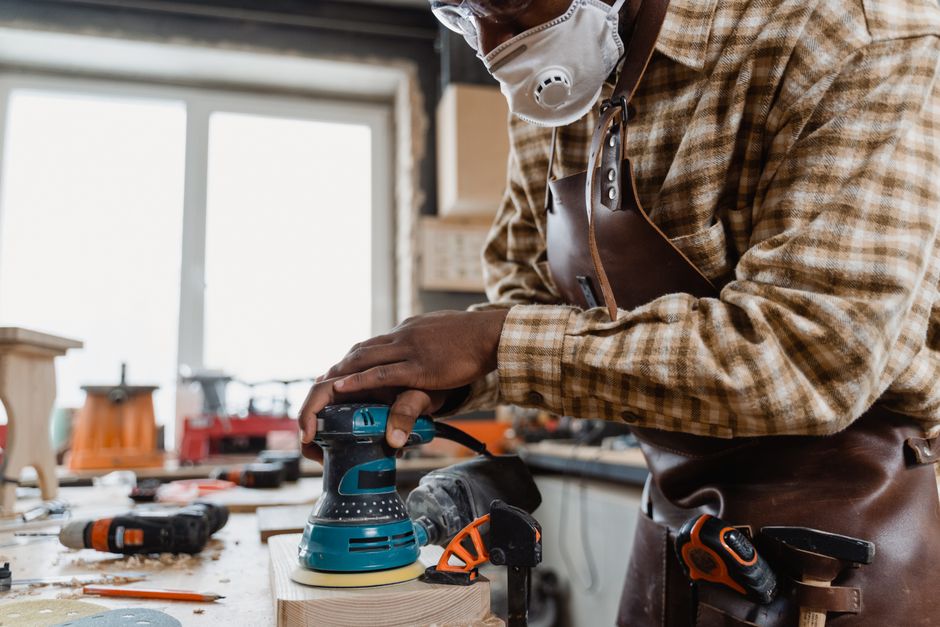
Custom cabinets are built specifically for your space. Designers measure your kitchen precisely and create cabinets that fit every dimension perfectly. This approach eliminates wasted space and allows you to optimize storage around your specific needs. Left-handed cooks can request custom drawer placements. Tall homeowners can request elevated cabinet bases. If your kitchen has a soffit, a sloped ceiling, or bay window, custom cabinetry adapts seamlessly.
The customization extends beyond dimensions. Custom cabinets offer unlimited choices in wood species, stains, paints, and hardware. You can specify internal organization systems—pull-out spice racks, dividers for baking sheets, specialized wine storage—tailored to your cooking style. You're not limited to predetermined drawer and door configurations.
Quality varies significantly among both categories. Premium ready-made cabinets from established manufacturers offer solid construction and attractive finishes. Conversely, poorly made custom cabinets waste money through shoddy craftsmanship. The key is selecting a reputable builder regardless of approach.
Timeline and cost differ notably. Ready-made cabinets install faster but may require additional work addressing gaps and misalignments. Custom cabinets take longer to build but require less modification on-site. Initial costs favor ready-made options, though when you factor in additional trim work needed to fit a non-custom kitchen, total expenses narrow considerably.
Many homeowners discover that semi-custom cabinets offer an appealing middle ground—standardized dimensions with customizable fronts, finishes, and interior configurations. This approach provides more flexibility than fully ready-made cabinets while remaining more accessible than fully custom solutions.
Your best choice depends on your kitchen's complexity, your design vision, and your timeline. Our showroom and design consultations help clarify which approach makes sense for your specific situation.